
Dealing with Grief
Dealing with Grief
A quick search for the word “grief” returns well over 100 million results. That’s an overwhelming amount of information—especially during a time when even small tasks can feel exhausting. You don’t have to navigate it all on your own. We’re here to help.
Grieving with Purpose
No one is ever fully prepared for grief. The flood of emotions—our thoughts, worries, and heartache—can arrive suddenly, leaving us feeling overwhelmed and brought to our knees. Yet when we choose to channel that pain toward personal growth, something meaningful can emerge. Even in loss, good can take shape.
The concept of grief work was first introduced by Sigmund Freud in 1917, and the belief that bereavement carries purpose continues today. Dr. James Worden later described grief as a series of tasks:
- Accepting the reality of the loss
- Working through the pain of grief
- Adjusting to life without the person who has died
- Finding a lasting connection with the deceased while moving forward into a new life
Your role now is to gently focus on working through these tasks. They won’t unfold in a neat or predictable order—grief is deeply personal, and no two journeys look the same.
Grieving is hard work. It takes courage, patience, and resilience to adapt to the loss of someone deeply significant in your life.



Six Signposts Along Your Journey
Dr. Stephen Joseph describes what he calls six signposts that support post-traumatic growth. He reminds readers that “post-traumatic growth does not imply the absence of emotional distress or difficulty in living. Rather, it suggests that through the struggle, it is possible to emerge stronger and with a deeper perspective on life.”
Before outlining these six signposts, Dr. Joseph highlights three important truths:
- You are not alone
- Trauma is a normal, natural response
- Growth unfolds over time
He also shares a simple but essential guideline: don’t take on more than you can handle right now. “If you experience intense emotions, feel physically unwell, or begin to panic… stop.” He gently emphasizes that maintaining a sense of personal control over your healing matters. There may be things that feel out of reach today, but with time, growing strength, and developing coping skills, that can shift.
“By focusing on these six signposts,” Dr. Joseph writes, “you may begin to notice your post-traumatic growth taking shape.”
Signpost #1: Taking Stock
How are you feeling physically? Are you getting enough rest and nourishing your body in ways that support your well-being? Have you received the medical, legal, or emotional support you may need right now? Take a moment to reflect on where you are-physically, emotionally, and spiritually.
Signpost #2: Harvesting Hope
Loss can leave people feeling overwhelmed and without hope. Getting out of bed may feel difficult, and thoughts of the future can easily turn pessimistic or heavy. Drawing strength from the stories of others who have experienced personal growth can offer encouragement. Setting small, meaningful goals—and allowing yourself to practice hope as you work toward them—can help light the way forward.
Signpost #3: Re-Authoring
Begin to tell your story in a new way. Rather than viewing yourself solely through the lens of loss, consider shifting the narrative from victim to survivor. This change in perspective can help restore a sense of strength and control as you continue moving forward.
Signpost #4: Identifying Change
Keeping a daily journal can help you notice small shifts as they unfold. It also allows you to reflect on moments when you feel more like yourself and recognize what contributed to those feelings. As you move through your bereavement journey, take time to acknowledge and nurture the positive changes that begin to emerge.
Signpost #5: Valuing Change
Take time to reflect on the changes you’ve noticed and identify which ones you’d like to continue nurturing. Personal transformation grows from this kind of reflection. Growth is often encouraged when we consider what our loved ones have given us and find meaningful ways to carry those lessons forward by sharing them with others.
Signpost #6: Expressing Change in Action
Allow your growth to show through new behaviors—putting what you’ve experienced into action. Focusing on small, tangible steps can help make the inner growth you’ve experienced during your bereavement feel more real and meaningful in everyday life.
Ending Denial and Finding Acceptance
Acceptance is often the first task of bereavement. James Worden explains that we must “come full face with the reality that the person is dead, that the person is gone and will not return.”
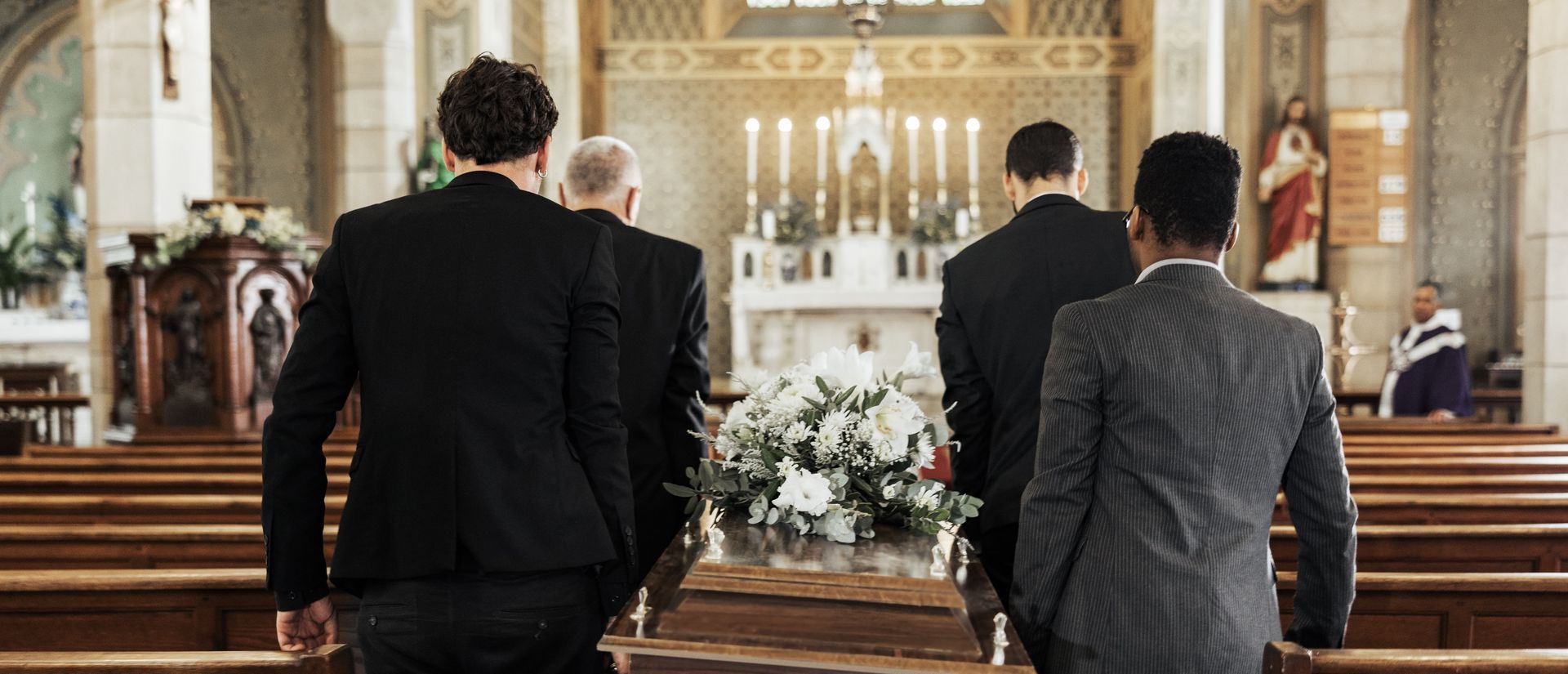
This is one reason funerals can play such an important role. Traditionally, the casketed body of the deceased is present, and guests are invited to step forward to say their goodbyes. This act—particularly seeing the reality of death with our own eyes—can be a meaningful part of beginning to accept the loss. Over time, however, this tradition has shifted. Many families now choose cremation and hold a memorial service after the cremation has taken place. In these services, the focal point is often an urn containing the cremated remains, which are not visible. As a result, the reality of the death may feel less immediate, and the path toward acceptance can feel less clearly defined.
Acceptance May Seem Out of Reach
For many people, acceptance can feel like agreeing to a reality they never wanted. When someone we love dies, agreeing to that truth can feel almost impossible—we may naturally resist it. Instead, consider using words like adjustment or integration. These terms emphasize the intentional release of disbelief rather than resignation. When a person integrates the death of a loved one into their life, they begin to clear space for something new—a life that moves forward while still holding that loved one’s memory close, sometimes even as a source of meaning or motivation for change.
This process takes time. In Coping with the Loss of a Loved One, the American Cancer Society cautions that “acceptance does not happen overnight. It’s common for it to take a year or longer to resolve the emotional and life changes that come with the death of a loved one. The pain may become less intense, but it’s normal to feel emotionally involved with the deceased for many years after their death. In time, the person should be able to reclaim the emotional energy that was invested in the relationship with the deceased and use it in other relationships.”
Whatever term you choose, this essential part of mourning is what allows life to feel whole again. It helps us move out of the shadow of simply getting through the days and back into a place where life can be felt and appreciated. That life will be different than the one you knew before—but it can still be meaningful, rich, and deeply worth living.
Sources:
- Freud, Sigmund. On the History of the Psycho-Analytic Movement Papers on Metaphyschology and Other Works.
- Worden, James, Grief Counseling & Grief Therapy: A Handbook for the Mental Health Practitioner, 4th Edition, 2009.
- Fleming, Stephen. The Changing Face of Grief: From 'Going On to 'On-Going''
- Joseph, Stephen. What Doesn't Kill Us: the New Psychology of Posttraumatic Growth
- American Cancer Society, "Coping with the Loss of a Loved One", 2012