
Memorial Service Information
What is a Memorial Service?
Unlike a traditional funeral, a memorial service is a gathering where a casket is not present (although the urn with the cremated remains may be on display). A memorial service can be held weeks or even months after the death.
A memorial service can be held in a church, the funeral home or a community hall, or somewhere of importance to the deceased and family. There is usually music, selected readings, and a eulogy. Memorial services can be further personalized as a
celebration-of-life.
Memorial Service Ideas
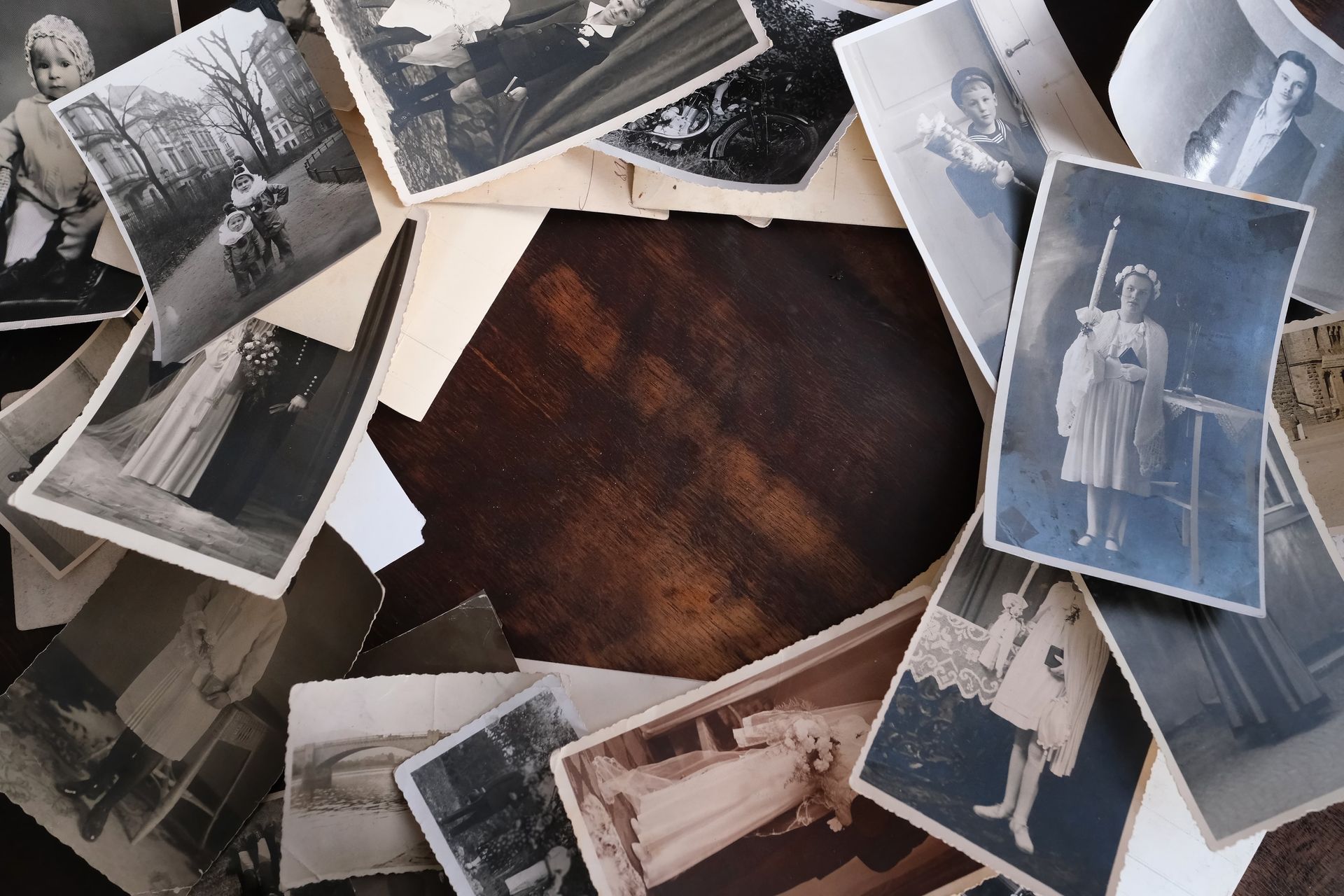
Our experience has shown that many families today want something more than a traditional funeral. By incorporating elements that reflect your loved one’s personality, interests, and life story, a memorial service can become deeply personal and meaningful. Simple touches—such as displaying photographs or centering the gathering around a favorite hobby or pastime—can help create a service that truly honors who they were.
If a personalized memorial service feels right for your family, you may wish to consider the following questions:
- What did your loved one enjoy doing?
- What were they like as an individual?
- What was their profession, and how did it shape their life?
- Was your loved one spiritual?
- Were they proud of their cultural or ethnic heritage?
We’re Here to Advise, Assist, and Guide You
Using these five questions as our foundation, we take the time to help you create a memorial service that feels meaningful and true to your loved one. Please call us to learn more about our memorial service planning process and how we can support you every step of the way.
Why a Memorial Service?
Rather than doing things “the same old way,” many families today choose to focus on celebrating the life of their loved one. Funeral service professionals often view this shift as part of a broader social change influenced by the Baby Boomer generation. The
National Funeral Directors Association observes: “As baby boomers age and find themselves planning funerals for loved ones and for themselves, they are making choices based on values that differ from previous generations. Baby boomers see funerals as a valuable part of the grieving process and are seeking ways to make them meaningful.” If you, too, would like a service that feels more engaging and personally reflective, a celebration of life may be a meaningful foundation to build upon.
How Does a Celebration of Life Differ from a Traditional Funeral?
As outlined on our Traditional Funeral Services page, a conventional funeral typically includes four core components:
- A visitation
- The funeral service
- A committal service
- A funeral reception
A traditional funeral is a series of events that follow a familiar, ritualized process. It helps both the deceased and those in attendance transition from one social moment to another, supporting families and communities as they begin to heal and restore what loss has disrupted.
In the article “Six Characteristics of Helpful Ceremonies,” William Hoy, Director of Grief Connect, explains that this healing occurs through the inclusion of:
- Symbols of shared meaning that communicate beyond words
- Ritual actions shared by a group
- Gathered people offering comfort to one another
- Connections to heritage through familiar readings
- Increased physical contact that fosters reassurance and support
- Witnessing the transition of the body through burial or cremation
Understanding these elements allows you to design a Celebration of Life that is just as meaningful—and as unique—as the life it honors. Learn more about how to create a Celebration of Life.