The details people carry with them after a memorial service are often small and personal: a familiar song, a favorite saying, a photograph from a fishing trip, or a story about everyday kindness. For families seeking a
Fawn Grove, PA funeral home and cremations provider, those repeated memories can offer a clearer starting point than trying to summarize an entire life in one gathering.
A memorial does not have to include every achievement, relationship, or chapter. It can make room for the parts of a person’s life that loved ones recognize immediately, including the routines, values, humor, and care that shaped the family around them.
Start with the Memories People Return to Most
Listen for the stories that surface more than once as relatives begin talking. A person may be remembered for always setting an extra place at the table, never missing a grandchild’s game, tending a garden, teaching a skill, or keeping a certain tradition alive.
These memories matter because they show how the person affected daily life. They also give the service a natural direction, without placing pressure on one family member to
write a complete biography while grieving.
Gather Stories From More Than One Generation
Different generations often remember different sides of the same person. A sibling may recall childhood habits, while a coworker remembers dedication, and a grandchild remembers a phrase that made them feel safe.
- Ask about favorite sayings and expressions. A familiar phrase can be included in a printed piece, a reading, or a spoken reflection. It often brings an immediate sense of recognition.
- Ask about family traditions. Holiday meals, weekly calls, game nights, church involvement, gardening, travel, or seasonal routines may reveal what mattered most.
- Ask about work, hobbies, and skills. These details help others understand how the person spent their time and what they enjoyed sharing with others.
- Ask about quiet acts of kindness. Helping a neighbor, driving someone to an appointment, sending cards, or making time to listen can be more revealing than a long list of accomplishments.
- Invite distant relatives to contribute. A group message, phone call, or shared document gives loved ones who cannot attend a way to send a memory, photograph, or written note.
- Write down details as they are shared. Grief can make it hard to remember who said what later. One person can keep a simple list so meaningful details are not lost.
If the family is having trouble getting started, ask each person to finish one sentence: “I will always remember when…” The answers often reveal the strongest themes.
Choose One or Two Memories to Shape the Gathering
A large collection of memories can become overwhelming if every detail is treated as equally important. Narrowing the focus is not leaving anyone out. It is choosing a clear, honest thread that guests can follow.
- Identify the common thread. Look for values or habits that appear in several stories, such as generosity, faith, humor, loyalty, love of family, or a lifelong interest.
- Choose one central theme. A service might be guided by a person’s role as a devoted grandparent, a love of music, a deep connection to the outdoors, or the way they welcomed others.
- Keep personal touches limited and intentional. Two meaningful details usually have more impact than many unrelated items competing for attention.
- Consider what would feel true to the person. A private person may be best honored with a quiet gathering and a few carefully chosen reflections. Someone who brought people together may be remembered through shared stories and familiar food.
For example, if several family members mention Sunday dinners, the gathering could include a photograph display of family meals, a brief reflection about hospitality, and a favorite recipe card for guests to take. That creates connection without turning the service into a long program.
Match Memories to Comfortable Ways of Sharing
There is no required format for remembrance. The right approach is the one that fits the person being honored and the people who are grieving.
- Spoken reflections. A few prepared words from a relative, friend, clergy member, or other meaningful person can offer comfort. It helps to ask speakers to keep remarks focused on one memory or quality.
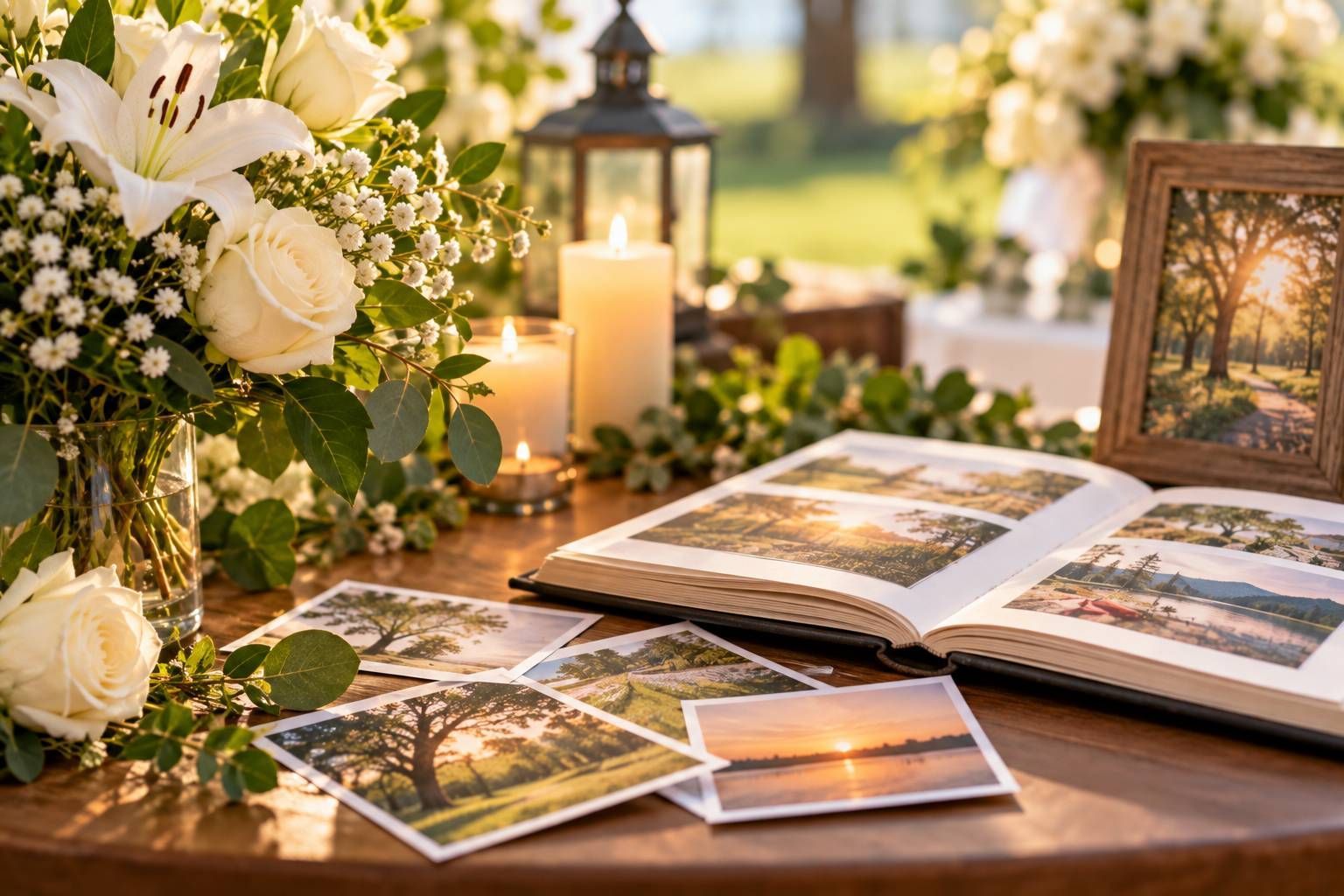
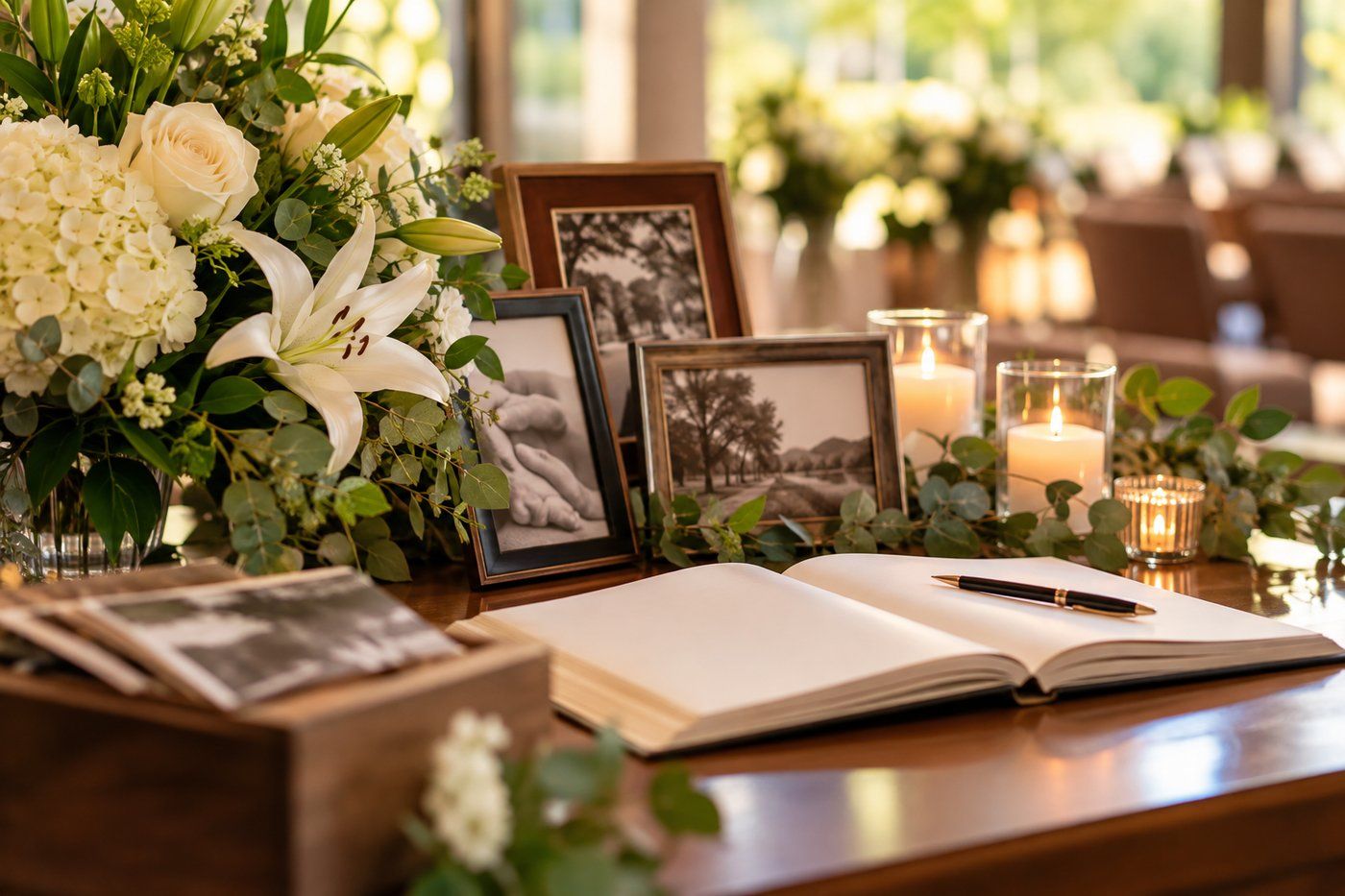
- Photographs and displays. A small collection of pictures, a favorite hat, handmade item, hobby-related object, or meaningful book can quietly tell part of a life story.
- Music and readings. A song, poem, scripture passage, or short written passage may say what family members cannot yet put into words.
- Keepsakes. Recipe cards, bookmarks, seed packets, handwritten notes, or copies of a favorite quote can give guests a simple reminder to take home.
- Food traditions. Sharing a familiar family dish after the gathering can be meaningful when it feels natural and manageable for the family.
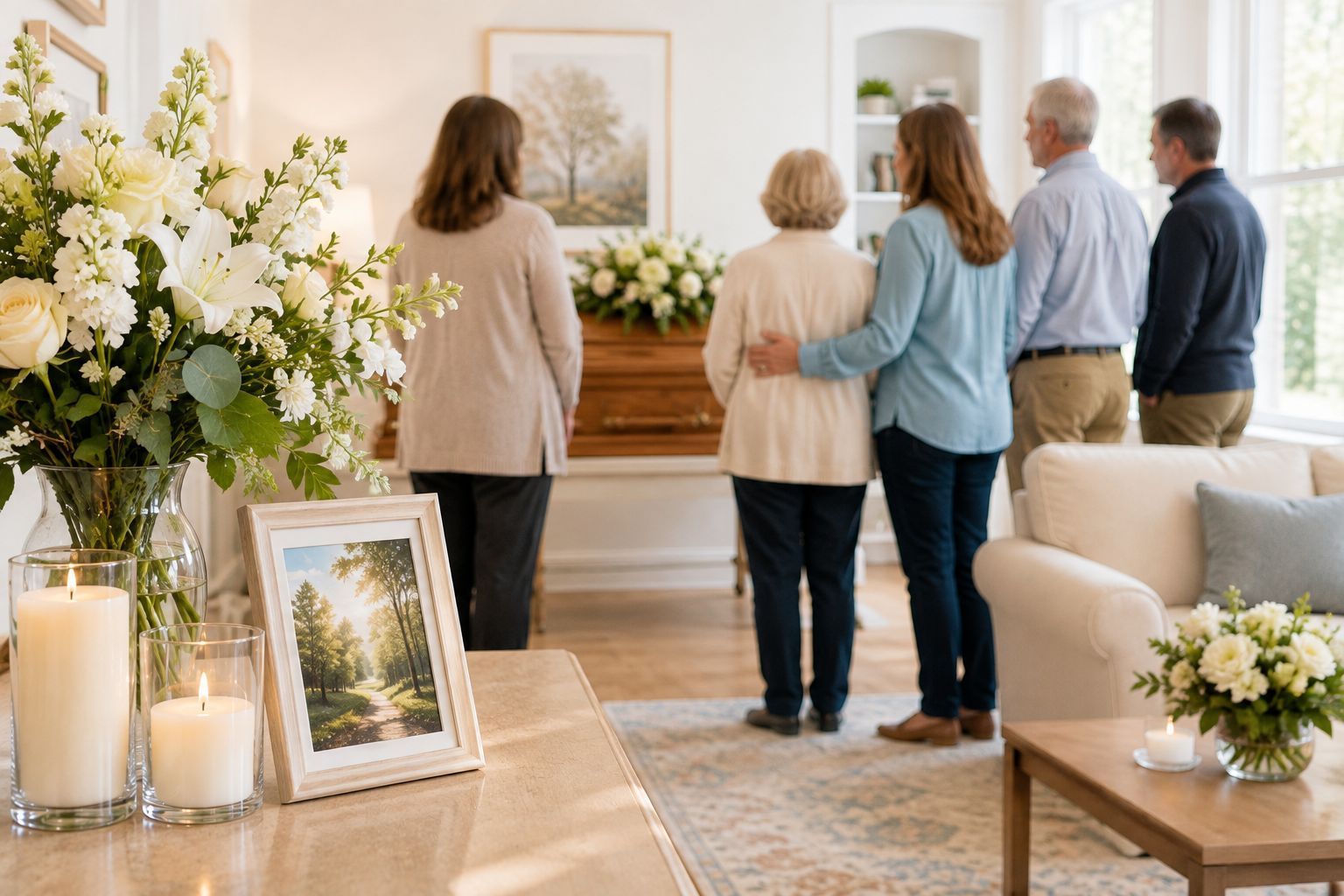
- Quiet private moments. Some families prefer a period of silence, a private viewing of photographs, or a small family gathering before others arrive.
Families looking for additional guidance may find comfort in
finding peace through funeral home and cremations services, especially when they are deciding what kind of gathering feels right.
Make Space for Different Kinds of Grief and Participation
Not everyone will grieve publicly, and not everyone will agree on how personal the gathering should feel. Planning works best when participation is invited, not required.
- Give people more than one way to contribute. Someone may wish to speak, while another prefers to send a written memory, choose a photograph, or simply attend.
- Include children in age-appropriate ways. A child might draw a picture, select a photo, place a flower, help choose music, or share one short memory. They should never feel pressured to participate.
- Consider distant loved ones. A written message can be read aloud, or a relative can send a recording if the family feels that would be welcome.
- Set gentle boundaries when preferences differ. If relatives disagree, focus on the person’s values and the purpose of the gathering. A small private moment can sometimes meet a family member’s wish for something more personal without changing the entire service.
- Leave room for silence. Meaningful remembrance is not measured by how many people speak. Listening together can be just as important.
Discuss Practical Details with the Funeral Provider
Personal details are easier to include when they are discussed early. Before finalizing arrangements, ask how the setting and schedule can support the memories your family wants to share.
- Timing and flow. Ask how much time is available for greetings, reflections, music, and a closing moment so the gathering does not feel rushed.
- Space for displays. Confirm where photographs, memory boards, keepsakes, or family items can be placed and who will set them up or take them home afterward.
- Music and readings. Ask how selections can be played, whether a reader can use the space comfortably, and when materials should be provided.
- Family participation. Discuss who may speak, read, greet guests, or help with a tribute, including children and relatives joining from a distance.
- Personalization boundaries. Share anything that is especially important to the family, as well as anything you would rather keep private.
Funeral home & cremation services, Inc. can help families talk through these practical questions so personal memories have an appropriate place in the arrangements.
Keep the Focus on Connection, Not Perfection
A meaningful service does not need polished speeches or a detailed account of every stage of a life. It needs space for the memories that feel most true, and for people to be together in the ways they can manage.
When choosing a Fawn Grove, PA funeral home and cremations provider, look for guidance that respects both the practical details and the personal meaning behind them.
Contact us to plan a meaningful memorial gathering or call Wagner-Elfner and Harkins Funeral Home & Cremation Services, Inc. at
(717) 456-5915 to discuss your family’s memories and wishes.