A
Bel Air, PA funeral home and cremations provider can help families consider thoughtful ways for children to participate in a celebration of life. Including younger family members can give them a meaningful place within the gathering while helping them understand how relatives and friends are remembering someone important. The right level of participation depends on each child's age, personality, relationship with the person being honored, and comfort with the gathering.
Explain the Gathering in Simple Language
Children often feel more comfortable when they know what will happen before they arrive. Parents and caregivers can describe the celebration using clear, age-appropriate language and explain who may attend, what activities may occur, and why people might express different emotions. Giving children time to ask questions can reduce uncertainty and help them feel prepared without overwhelming them with too much information at once.
Let Participation Remain Voluntary
Meaningful involvement should never feel like an obligation. Some children may want an active role, while others may prefer to sit with a trusted adult and observe. Families can offer several simple ways to participate and allow each child to decide what feels comfortable. Respecting those boundaries can make the experience feel safer and more personal, particularly for children who are quiet, nervous, or still trying to understand their feelings.
Give Children a Simple Role
Small responsibilities can help children feel connected to the gathering. A role does not need to be formal or complicated to carry meaning. Families can match the activity to the child's age, confidence, and interests.
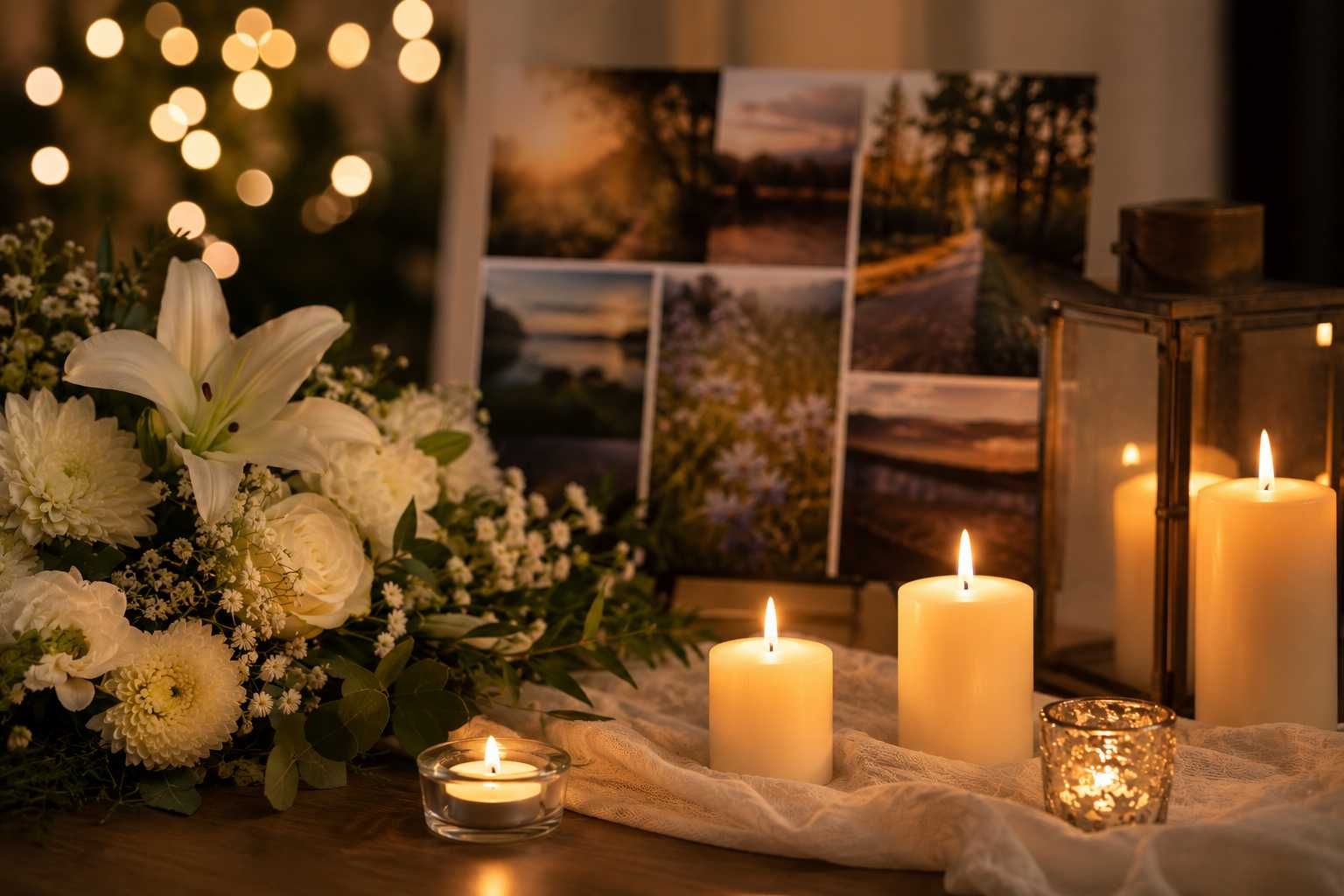
- Create a drawing or handwritten note for a memory display
- Choose a favorite photograph to include in a family display
- Read a short poem, passage, or personal message
- Help arrange photographs or keepsakes before guests arrive
- Select a meaningful song that reminds them of their loved one
- Write down a favorite memory for a family memory collection
These activities provide a gentle way for children to contribute while giving them room to express themselves in a familiar manner.
Encourage Creative Expression
Children sometimes communicate feelings more easily through creative activities than through conversation. Drawing a picture, making a memory card, writing a short letter, or creating a small craft can help them express affection and remembrance. Their creations can become part of a display during the gathering or remain private family keepsakes. The purpose is not to create something perfect, but to give the child a personal way to recognize the relationship.
Invite Children to Contribute Memories
A
celebration of life often centers on stories, personality, and meaningful experiences. Children can contribute memories that adults may not immediately think to mention. A favorite joke, family tradition, bedtime story, holiday activity, or ordinary afternoon together can reveal an important side of the relationship. Parents can write down a child's memory if the child does not feel comfortable speaking in front of guests.
Prepare Them for Different Emotions
Children may see adults crying, laughing, embracing, or quietly reflecting during the gathering. Explaining beforehand that people respond differently can help children understand what they observe. They should also know that their own reactions are valid. A child might feel sad at one moment and want to play soon afterward. Giving them permission to experience emotions naturally can help prevent confusion or unnecessary pressure.
Create a Comfortable Space for Breaks
Long gatherings can become tiring for younger children. Families can plan a quiet area where they can sit, read, draw, or spend time with a trusted adult when they need a break. Having a familiar caregiver available can provide reassurance and allow children to step away without feeling that they have done something wrong. They can return when they feel ready.
Consider Their Age and Understanding
A child's ability to understand loss develops gradually. Younger children may need brief explanations and simple activities, while older children and teenagers may want greater involvement in
planning or speaking during the gathering. Rather than assuming what a child needs based solely on age, adults can listen carefully to questions and responses. This approach allows participation to reflect the child's individual level of understanding.
Continue Conversations Afterward
Children may have new questions after the celebration has ended. Parents and caregivers can keep communication open and invite them to talk about what they noticed, remembered, or felt. Looking through photographs, discussing family stories, or continuing a meaningful tradition can reinforce the idea that remembering someone is not limited to a single gathering. Ongoing conversations can also help adults recognize when a child needs additional reassurance.
Creating a Meaningful Experience for the Whole Family
Including children thoughtfully can make a celebration of life more personal while giving younger family members an appropriate way to participate in remembrance. Families can focus on preparation, choice, creative expression, and emotional support so every child can be involved at a level that feels comfortable. With patient guidance, children can contribute meaningful memories while remaining supported throughout the experience.
Learn more about the compassionate services available through Wagner-Elfner and Harkins Funeral Home & Cremation Services, Inc. and how our team can support your family. For caring guidance from a
Bel Air, PA funeral home and cremations provider, call
(717) 456-5915 to
speak with our team and learn more about our services.